AI Security Services for Real-World Systems
- AI Governance
- Data Pipeline Security
- Responsible Delivery
Secure AI-powered systems with AI security services tailored to your context. We help you identify risks early, make informed security decisions, and address issues before they affect users, operations, or compliance efforts.
-

Top 1% of global
Software Service providers -

ISO 27001 certification
by Bureau Veritas
-

GDPR-Compliant processes
for responsible data protection -
AWS trusted infrastructure
for scalable solutions -

Bureau Veritas —
an independent global leader in testing, inspection, and certification.
Why AI Security Services Are Critical for Modern AI-Based Applications
Modern AI and LLM-based applications come with risks that challenge traditional software security approaches. Models, data pipelines, and user inputs open up new attack paths and failure points. AI-powered security services help teams understand these risks and reduce exposure as AI systems scale.
-
Identify AI security risks before they impact your systems
-
AI systems expand the attack surface beyond application code
A structured AI security approach helps identify and prioritize risks across models, data pipelines, interfaces, and infrastructure before systems move into production.
-
AI-specific threats introduce new ways systems can be manipulated
Traditional application security methods do not fully cover prompt injection, data poisoning, and unexpected model behavior. Architecture reviews, clear design controls, and targeted testing help teams address these AI-specific risks.
-
Regulatory and compliance pressure around AI is increasing
Regulations such as the EU AI Act, together with internal compliance policies, create new expectations around transparency, risk classification, and documentation. Security reviews can support alignment by helping teams document use cases, risks, controls, and decision logic.
-
Security issues discovered late are expensive and difficult to correct
Security issues get much harder to fix once a system is live. Late changes often require reworking pipelines, retraining models, or adjusting architecture. Early assessment helps teams spot risks sooner, before fixes become expensive and disruptive.
-
AI failures can quickly affect trust and reputation
Incorrect outputs, data leakage, or misuse can have visible business and user impact. Review processes, guardrails, and oversight mechanisms help teams reduce the likelihood and potential impact of these failures.
-
Scaling AI systems increases operational complexity and risk
As models evolve, data sources expand, and usage grows, assumptions made early may no longer hold. Ongoing AI security practices help organizations review controls, update documentation, and adapt governance as systems change.
Our AI Security Consulting Services
We provide AI security consulting services to help organizations identify and manage risks across AI-powered and AI-enabled systems. From architecture reviews to data and governance assessments, our teams support secure AI design and deployment. We work closely with your engineers to align security decisions with business goals.
-

Training Data & Data Pipeline Risk Review
We assess risks related to training data sources and data pipelines. This includes data integrity, access control, and exposure points that can influence model behavior, such as data poisoning, unauthorized data inclusion, and data lineage weaknesses. The review gives your team a clearer basis for strengthening data integrity, access controls, and lineage practices.
-
LLM Security Assessment & Generative AI Review
We support teams building or integrating LLMs by reviewing model usage, data exposure, and access patterns. The focus is on real application behavior, including risks such as prompt injection, sensitive information disclosure, excessive agency, and other vulnerabilities described in the OWASP Top 10 for LLMs. This helps teams see where safeguards or design changes are needed.
-
Prompt, RAG & Interface Security Design
We help teams design prompts, retrieval flows, and interfaces with security risks in mind, including prompt injection, retrieval poisoning, sensitive-data exposure, model inversion, and interface vulnerabilities. This includes reviewing how inputs, retrieved context, and outputs interact across the system. The goal is safer user interaction without unnecessarily restricting product flexibility.
-
AI Security Risk Assessment & Threat Modeling
We help teams with cybersecurity risk assessment across models, data flows, infrastructure, and user interactions. Working with your team, our engineers map realistic production threat scenarios, including model misuse, data leakage, prompt injection, and system compromise, as well as risks related to model robustness under adversarial attacks or unexpected inputs. This creates a clear, prioritized view of risks to support practical security decisions.
-
Secure AI Architecture & System Design
We help teams design AI architectures with security and scalability in mind. Our engineers collaborate with your team to review infrastructure choices, model hosting, and system dependencies to support architectures that are easier to secure and adapt over time.
-
Secure AI Deployment & Access Control Strategy
We help plan AI deployments around your existing infrastructure and operating model. This includes defining access controls, separating environments, connecting AI systems with current identity and permission frameworks, and securing data flows through encryption and key management.
-
AI Governance, Policy & Risk Management Frameworks
We help teams define governance processes that connect technical work with regulatory and internal requirements. This includes documentation, risk ownership, and decision tracking. Our approach supports alignment with evolving regulations such as the EU AI Act and internal risk management policies while keeping governance practical and implementation-focused.
-
Security Testing Strategy & Red Teaming Support
Engage our specialists to plan security testing for AI-enabled systems, including validation, adversarial testing, model-abuse simulations, and red teaming with realistic attack scenarios. Depending on the scope, this work can help evaluate controls at agreed stages before or after deployment.
-
Need support across architecture, data, or governance?
Flexible Cooperation Models
Choose a collaboration model that fits your goals, timelines, and internal capabilities. We support AI security initiatives through long-term team extension, focused project delivery, or hands-on technical workshops.
-
Dedicated Development Teams
Extend your in-house capabilities with experienced AI, security, and data engineers. Our dedicated teams integrate into your workflows and tools, working as part of your organization. This model supports long-term AI security initiatives that evolve with your systems.
-
Project-Based Solutions
Engage our experts for a defined AI security scope with clear deliverables and timelines. This model works well for risk assessments, architecture reviews, governance frameworks, or security strategy design. You get focused expertise without long-term commitment.
-
Custom AI Workshops for Teams
Hands-on technical workshops led by senior engineers and tailored to your systems and challenges. These collaborative sessions help teams align on architecture decisions, security practices, and governance approaches.
Choose the cooperation model that fits your AI security scope and internal capacity
Our AI Security Experts
Depending on the scope, Beetroot can bring together security engineers, managed security consultants, ML specialists, and data professionals with relevant experience in AI systems and production environments. They can support your team with practical AI security recommendations and implementation aligned with your requirements, architecture, and risk profile.










Strategy That Supports Compliance, Governance & Risk Mitigation
Our AI security specialists support teams as they work through governance, risk management, and regulatory considerations across AI-based systems. The right approach often depends on risk level, data sensitivity, and operational complexity. A clear framework helps keep security practices aligned with internal policies and evolving regulatory expectations.
-

AI Governance Foundations
AI needs clear ownership and decision boundaries. We help teams define AI governance foundations upfront, so it’s easier to manage risk, approve changes, and maintain accountability as systems grow.
-
Risk Classification and Use-Case Scoping
Not every AI use case carries the same level of exposure. By reviewing risk early, teams can adjust controls, review depth, and governance effort where it matters most.
-
Regulatory Awareness
Data protection rules and emerging AI regulations, including GDPR and the EU AI Act, shape how teams approach system design and documentation. Considering these requirements early can reduce uncertainty later in the lifecycle.
-
Human Oversight and Control Mechanisms
Teams can introduce human-in-the-loop controls for sensitive or high-impact workflows. These checkpoints help review automated outputs and reduce operational risk.
Our AI Security Consulting Process
AI security is an ongoing process that evolves as models, data, and usage patterns change. A secure AI development lifecycle connects security practices with existing MLOps solutions. This helps teams identify risks early, reduce exposure during implementation, and adapt controls over time. This approach supports secure deployment, regulatory alignment, and long-term system reliability.
-
Risk & Use-Case Assessment
Step 1We review your planned AI use cases, business goals, and regulatory context. Our team helps to identify where AI may introduce higher risk, such as automated decision-making or sensitive data exposure. This gives you clear priorities before deeper technical work begins.
-
Threat Modeling & Architecture Review
Step 2We map AI components across data sources, models, APIs, and infrastructure to understand how the full system fits together. Our security engineers run threat modeling to explore realistic attack paths, misuse scenarios, and integration risks. This helps uncover security gaps early, before they become real issues.
-
Secure Data & Model Design
Step 3We bring security into the design stage, from training data selection to pipeline setup and model choice. Our ML engineers and security experts review data quality, provenance, access controls, and potential exposure points. These early decisions influence model reliability, security, and behavior as the system evolves.
-
Implementation with Guardrails
Step 4We incorporate safety controls throughout development. Our team implements agreed guardrails, such as validation rules, access boundaries, logging, and output checks. These measures help reduce operational risk during development and use.
-
Testing, Review & Red Teaming
Step 5We evaluate AI systems through structured testing and scenario-based reviews. Our security team runs functional validation, misuse testing, and adversarial analysis. The goal is to surface weaknesses before the system reaches production.
-
Deployment, Monitoring & Iteration
Step 6Where ongoing support is included, our team can help maintain documentation, review model behavior and data shifts, and reassess risks. Security controls can then be updated based on new findings, system changes, and agreed review points.
AI Security Services Across Regulated & High-Risk Industries
AI systems face different security, compliance, and operational pressures depending on the industry they operate in. Regulatory exposure, data sensitivity, and system complexity all shape how risks need to be assessed and managed. Our AI-based application security consulting work takes these differences into account. We adapt our approach to the realities of each sector and help teams address risk in ways that align with their regulatory environment and business model.
-
FinTech
Because FinTech AI handles sensitive financial data, it operates under heavy regulatory oversight. Security risks often relate to fraud prevention, reliable decisions, and audit requirements. We help teams run reviews, document risks, and put governance controls in place.
-
HealthTech
HealthTech AI systems must balance innovation with patient safety, privacy, and data protection requirements. Risks often extend beyond infrastructure to model outputs that influence clinical or operational decisions. We help you evaluate AI security in environments where trust, traceability, and compliance are critical.
-
SaaS
AI features in SaaS products can introduce shared risk across tenants, pipelines, and automated updates. A single misconfiguration can affect multiple customers at once. We help teams put access controls, monitoring, and guardrails in place for secure AI delivery.
-
Manufacturing
AI in industrial settings often connects digital systems with physical processes and equipment. Security risks can affect uptime, safety, and operational continuity. We examine how AI security issues impact production flows, connected machines, and system dependencies across these environments.
-
E-commerce / Marketplaces
AI systems in e-commerce influence pricing, recommendations, fraud detection, and customer experience. Security risks often involve abuse scenarios, sensitive customer data, and automated decisions at scale. We help teams map how AI-related risks can move across storefront features, payment flows, and backend operations.
-
Enterprise Platforms
Enterprise AI systems are often built into large, interconnected platforms that evolve over many years. Security issues tend to appear where AI components connect with existing infrastructure. In these environments, AI security assessments focus on scale, legacy dependencies, and governance requirements that continue to change over time.
Discuss AI security risks in your industry
Why Choose Beetroot for AI Security Risk Consulting?
We work with organizations that view AI as part of a wider technical and operational landscape. Our teams approach AI software development from an engineering perspective, paying close attention to how systems behave in real environments and how they change over time. The focus stays on long-term value, responsible use, and outcomes teams can sustain. This way of working shapes how we collaborate with clients and support solutions built to scale responsibly.
-
Engineering-Led AI Security
Secure AI development is rooted in hands-on engineering experience. We look closely at how models, data pipelines, and infrastructure behave in real production environments. This helps us identify practical risks that don’t show up in theoretical reviews. The result is guidance teams can actually apply.
-
Long-Term Partnership Approach
When ongoing support is part of the engagement, the same team can stay with you as your models, data, and compliance needs change. Because they already know your architecture and its risks, later reviews and updates tend to go more smoothly.
-
Responsible AI by Design
We build AI systems with security and responsibility in mind from the start. Our teams look closely at how these systems impact users, data, and decision-making in real settings. That way, technical choices stay aligned with your values and support trustworthy adoption.
-
Integrated Delivery Teams
Depending on the setup, we work alongside your engineers, product teams, and security stakeholders or take responsibility for a defined scope. Close collaboration keeps technical decisions, trade-offs, and ownership clear throughout the work.
-
Experience across Domains and Use Cases
Our experience across AI-driven analytics, data platforms, and complex digital products helps us understand how AI fits into wider systems, workflows, and business processes. This broader context supports more realistic security decisions around each use case.
-
Practical Focus
We focus on clear priorities, real constraints, and solutions teams can maintain. Recommendations reflect how the system operates day to day, keeping the security work practical and relevant as needs change.
What Our Clients Say
Our clients come from many industries and work with us on all kinds of projects, from AI and security initiatives to broader software development. Their feedback gives a practical sense of what partnering with Beetroot is like.

Featured Work
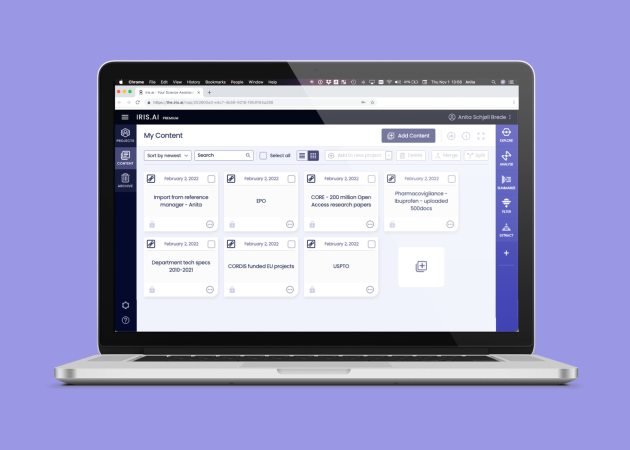
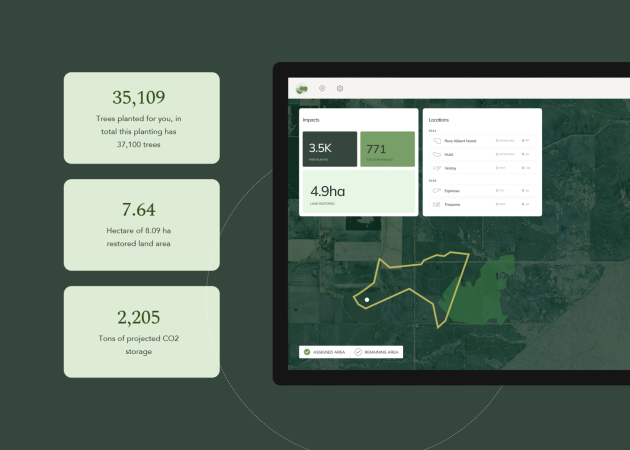
These selected projects show Beetroot’s experience with AI products, data-intensive platforms, and long-term engineering partnerships across healthcare, research, and GreenTech.


Hands-On AI Workshops for Teams
Our workshops are built for teams developing or deploying AI systems who want clearer security and governance in place. Senior engineers lead each session and tailor the discussion to your stack, workflows, and the challenges you’re dealing with right now.
-
Sustainable Competitive Advantage
-
Build shared understanding across roles
Workshops can bring engineering, data, security, and product teams together around common AI security risks and responsibilities, helping bridge gaps between technical implementation and governance expectations. -
Apply security concepts to your real systems
Our instructors can design sessions around your architecture, workflows, and use cases rather than generic examples. Teams leave with guidance that fits their environment and current maturity level. -
Support confident decision-making
Practical training gives teams a better understanding of the trade-offs across AI design, deployment, and compliance to support future decisions.
-
Discuss Your AI Security Needs
Whether you’re assessing AI risks, reviewing model security, or planning responsible AI practices, send us your current stage and main priorities. We’ll follow up to discuss a suitable approach.

FAQs
The questions below cover common AI security risks, compliance boundaries, and the best stage to involve security specialists.