
AI Sustainability Consulting Solutions
Reduce manual effort behind sustainability management and make better long-term decisions with a clearer view of your operations. Beetroot applies AI expertise and custom engineering to improve the systems and data workflows behind your ESG work.
-

Top 1% of global
Software Service providers -

ISO 27001 certification
by Bureau Veritas
-

GDPR-Compliant processes
for responsible data protection -

AWS trusted infrastructure
for scalable solutions -

Bureau Veritas —
an independent global leader in testing, inspection, and certification.
Turn Data Into Better Business Decisions
Sustainability work depends on how efficiently teams can compile and use data from vendors, utilities, asset software, and other operational sources. Generative AI for sustainability can reduce repetitive record matching and support more traceable workflows, provided the underlying data pipelines and governance are in place.
-
Fragmented ESG and Sustainability Data
Many organizations collect sustainability metrics across different systems, spreadsheets, cloud tools, and operational platforms. AI-ready data pipelines can organize this fragmented information into a more consistent foundation for reporting, forecasting, and decision support.
-
CSRD and ESG Reporting Pressure
As reporting requirements evolve, manual data collection and documentation become harder to manage. AI-assisted workflows can make reporting and audit preparation more traceable and reduce some of the repetitive work involved.
-
Cloud and AI Infrastructure Emissions
As organizations adopt more compute-intensive tools, understanding the footprint of cloud and AI workloads becomes more important. Carbon-aware computing practices and green technology solutions can help teams monitor usage patterns and identify where infrastructure may be using more resources than necessary.
-
Energy Consumption and Operational Inefficiency
Fluctuating production cycles and grid volatility make energy planning harder and can put pressure on both environmental targets and operating costs. Machine learning models can support energy forecasting and help teams anticipate demand changes, usage spikes, and opportunities to reduce waste.
-
Scope 3 Supply Chain Complexity
Supplier data often arrives in different formats and levels of detail, which makes consistent GHG Protocol Scopes 1–3 reporting difficult. AI-assisted data processing can help standardize those inputs, improve data quality, and make sustainability signals easier to work with.
-
Responsible AI Adoption
AI can support sustainability goals while adding its own compute and energy demands. Model distillation, right-sized models, and efficient MLOps practices can help teams reduce unnecessary resource use and make more deliberate infrastructure choices.
-
Confronting any of these challenges in your current sustainability workflows?
Our AI-Driven Sustainability Consulting Solutions
Beetroot helps organizations design and implement custom AI and sustainability systems that fit existing infrastructure and strengthen day-to-day workflows. Our specialists combine AI/ML, data engineering, cloud, MLOps, and GreenTech experience to support projects from early scoping through implementation where needed.
-

ESG and Sustainability Data Engineering
Our data engineers design pipelines that collect, clean, and structure environmental data from cloud systems, ERP tools, IoT devices, and operational platforms. This gives teams a more reliable foundation for reporting and analysis.
-
AI-Assisted ESG Reporting Workflows
We build AI-assisted workflows for document processing, data extraction, and validation checks that support traceability and reporting preparation. The goal is to reduce repetitive work while keeping reporting inputs visible and reviewable.
-
Cloud Compute Auditing and Carbon Visibility
Our engineers can assess workload patterns, overprovisioned resources, and compute intensity to identify where infrastructure may be using more capacity than necessary. Where relevant data is available, cloud compute auditing can also include emissions-related metrics or indicators such as Power Usage Effectiveness (PUE).
-
Carbon-Aware Cloud and Workload Optimization
We help teams design cloud architectures and workload scheduling strategies that consider energy efficiency alongside performance and business requirements. Carbon-aware computing principles can inform decisions about workload timing and infrastructure where they make a practical difference.
-
Energy Forecasting and Predictive Analytics
Predictive analytics can help teams anticipate energy demand, equipment behavior, and renewable generation more effectively. Our machine learning engineers can develop custom models or adapt existing ones around the forecasting needs and data available in your environment.
-
Supply Chain and Scope 3 Data Intelligence
AI-assisted data processing can help logistics and procurement teams work with fragmented supplier emissions data across the value chain. Better consistency and visibility make patterns, gaps, and sustainability risks easier to investigate across GHG Protocol Scopes 1–3.
-
Waste Optimization and Circular Analytics
We develop predictive and optimization models that can help teams identify material or resource waste across inventory and disposal data. These systems can support circular economy optimization by making opportunities for reuse, recovery, or better utilization easier to spot.
-
Sustainable GenAI and MLOps Engineering
Our generative AI sustainability consulting solutions help teams choose appropriately sized models and reduce unnecessary compute through model selection, model distillation, prompt optimization, and efficient deployment practices. The aim is to make GenAI use more consistent with the organization’s wider sustainability goals.
-
Shape a sustainability AI setup that fits your data, infrastructure, and priorities
Governance-Led AI for Environmental Sustainability
AI sustainability systems need clear data ownership, access rules, and review boundaries for teams to trust the outputs. Our genAI sustainability consulting solutions account for those governance requirements as part of the engineering work.
-
CSRD/ESRS-Aligned Data Readiness
We help identify data gaps that can make CSRD/ESRS reporting harder to manage, then structure relevant sources so disclosure inputs are easier to trace back to operational data.
-
GHG Protocol Scope Mapping Support
Our engineers can help structure inconsistent supplier inputs and map relevant data across GHG Protocol Scopes 1–3. The goal is to make the underlying information easier for sustainability teams to review and work with.
-
Auditability and Traceability
Documented data flows, source references, and system logs can give your team and external reviewers a clearer view of how inputs were processed and how outputs were produced.
-
Human Oversight and Validation
We design review and approval points into higher-risk parts of the workflow so people remain in control of what enters a report or reaches an external reviewer. Evaluation and monitoring can also help teams catch unsupported or inconsistent outputs before they move further.
-
Security and Access Control
We help teams apply least-privilege access principles and secure data-handling practices that align with your data governance policies and industry best practices.
Flexible Cooperation Models
Choose the level of support that fits your project stage and adjust it as your needs change.
-
Dedicated AI Engineering Teams
Extend your team with data engineers, AI specialists, and developers who work within your existing processes over the longer term. This model can support sustainability data, AI, and eco-friendly software initiatives that need consistent engineering capacity.
-
Project-Based AI Solutions
Work with a managed team on a defined sustainability AI challenge, from scoping and architecture through implementation. This model works well when the problem is clear, and you want focused delivery within an agreed scope and timeline.
-
Custom Tech Workshops
Build your team’s confidence with AI and sustainability through workshops tailored to the knowledge gaps and challenges inside your organization. Sessions can cover areas such as ESG data readiness or sustainable AI development, with practical exercises participants can apply in their own projects.
Start with the support your sustainability AI project needs now, and adapt the setup as the work evolves
Meet Your Team
Work with AI engineers and related specialists whose technical background fulfills the needs of your sustainability project, from data and ML to cloud infrastructure and MLOps.








How We Take Sustainability AI From Discovery to Deployment
An AI-driven sustainability consulting engagement starts with understanding your current level of AI adoption, business priorities, and technical environment. From there, we shape the work around what is realistic for your data, infrastructure, and goals.
-
Discovery and Sustainability Use Case Framing
Step 1We start by working with your sustainability and technical teams to understand the goals, constraints, and use cases worth exploring. Together, we define a realistic scope and what success should look like for the project.
-
Data and Infrastructure Audit
Step 2Our specialists assess relevant data sources, utility records, and infrastructure for consistency and accessibility. We review data flows, identify gaps, and determine what needs attention before introducing new analytics or automation.
-
Feasibility and Architecture Planning
Step 3We help select appropriately sized technologies for the use case, taking performance, maintainability, and energy use into account. We also define where human review is required and how the solution should integrate with your existing environment.
-
Model and Workflow Development
Step 4Our engineers develop the data pipelines, models, and AI workflows with attention to privacy, explainability, and maintainability. Regular checkpoints give your team visibility into how the solution is taking shape before it moves toward production.
-
Integration, Testing, and Validation
Step 5We integrate the new components with your existing software and infrastructure, then test them under relevant operational conditions. Validation focuses on whether the solution performs as expected and fits the workflows it is meant to support.
-
Deployment and Continuous Refinement
Step 6We support production deployment and can set up monitoring for model performance, infrastructure use, and other relevant signals. Where ongoing support is part of the engagement, we can continue refining the solution as requirements and usage evolve.
Sustainability AI Across Industries
AI for sustainability looks different across industries, but many teams face similar challenges with fragmented data, infrastructure constraints, and complex operational workflows. Here are some of the areas where our AI and data engineering experience can support that work.
-
Renewable Energy & Utilities
Fluctuating production cycles and complex grid variables make it harder to balance supply and demand as weather conditions change. We build predictive models that can help teams forecast energy generation and support planning around grid balance, storage, and demand.
-
Industrial Operations
Factory floors and manufacturing lines generate large volumes of operational data that can be difficult to use effectively. AI-based predictive analytics can support equipment monitoring, energy analysis, and resource planning based on actual operating conditions.
-
Logistics & Supply Chain
Gathering emissions data across a supplier network is difficult enough; inconsistent formats and levels of detail make it even harder to use. AI-assisted data processing can help teams structure supplier inputs, analyze inventory and demand patterns, and identify opportunities for more efficient routing.
-
Smart Buildings
Building energy performance depends on changing occupancy, weather, and equipment use. We can connect IoT sensor data with analytics systems to support HVAC optimization, energy monitoring, and building performance insights in near real time.
-
Sustainable Resource Management
Planning resource use becomes harder when operational data is scattered across different systems. We help teams connect relevant data to enable forecasting, supply chain visibility, and more informed production or resource management decisions.
-
GreenTech & CleanTech
Fast-growing climate tech, circular economy, and energy-management products can outpace internal engineering capacity. We support product teams with AI, data engineering, and infrastructure development as their technical needs evolve.
See where AI could support the sustainability priorities in your industry
Why Partner With Beetroot for AI-Driven Sustainability Consulting
Beetroot brings more than a decade of software delivery experience to AI and data systems designed for real production environments.
-
Proven AI and Data Engineering Capabilities
Our AI, ML, and data engineering specialists work across models, data platforms, and infrastructure, with technology choices shaped by each project’s needs and constraints.
-
Practical Sustainability Data Experience
We’ve worked with sustainability data that arrives in third-party spreadsheets and inconsistent formats, and we know how to make it ready for reporting.
-
Responsible AI in Practice
Our commitment to the responsible use of AI shapes how we approach our projects, with a focus on practical value, governance, maintainability, and the wider impact of the systems we develop.
-
Agile and Adaptable Cooperation
Some clients begin with targeted team training, others with a pilot. From there, we adjust the level of support based on what the project actually needs.
Hear From the Teams We Work With
Every collaboration is different. Here’s what our clients and partners say about working with Beetroot.

Featured Cases
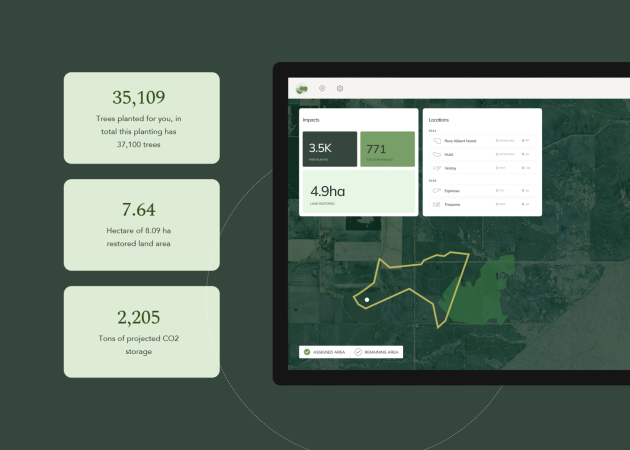
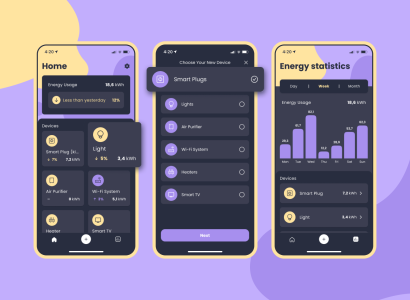
Explore projects that show how we’ve supported GreenTech and sustainability-focused companies with AI, data engineering, cloud, and product development.



Custom Workshops for Sustainability AI
Build practical confidence with sustainability AI through workshops tailored to your team’s current knowledge, technical environment, and project priorities. Sessions are led by Beetroot experts and designed around challenges your team is actually working through.
-
What Your Sustainability AI Workshop Can Cover:
-
AI Sustainability Opportunity Mapping
Working sessions help your team identify and assess promising AI use cases across ESG reporting, energy management, supply chain data, and other sustainability workflows. -
Responsible GenAI and Sustainable Model Use
Explore practical ways to use GenAI more efficiently, including model selection, deployment choices, and approaches that can reduce unnecessary computation. Workshops can also cover green coding principles for more resource-conscious software development. -
ESG Data Governance and Implementation Readiness
Custom training helps your team prepare for the data and governance questions that often surface in sustainability AI projects, including data ownership, access rules, reporting inputs, and other areas that require clarity before proceeding with implementation.
-
Take the First Step Toward Practical Sustainability AI
Tell us what you’re trying to achieve, where the biggest obstacles lie, and how AI fits into your thinking. We’ll reach out to you shortly to discuss how our AI-driven sustainability consulting can help.

FAQs
A few of the questions we hear most from teams trying to balance sustainability goals with the compute, infrastructure, and governance demands of AI.