Low Code Development Services for Fast, Reliable Digital Delivery
- Speed & Iteration
- Idea Validation
- Custom Engineering
Low-code and no-code offer an efficient way to modernize internal tools and automate key processes. We combine platform speed with custom engineering where greater flexibility or control is needed, creating solutions around your real workflows.
-

Top 1% of global
Software Service providers -

ISO 27001 certification
by Bureau Veritas
-

GDPR-Compliant processes
for responsible data protection -

AWS trusted infrastructure
for scalable solutions -

Bureau Veritas —
an independent global leader in testing, inspection, and certification.
Why Choose Low Code Business Solutions?
Many organizations face growing delivery backlogs, manual processes that slow teams down, and rising operational costs tied to legacy systems. Low-code/no-code development can address these challenges by shortening delivery cycles, reducing pressure on engineering teams, and making workflows easier to update.
-
Accelerating Internal Tool Delivery
Traditional development timelines can delay important operational improvements. LCNC platforms can shorten delivery cycles for suitable internal tools, helping teams move useful solutions into production sooner.
-
Improving Agility with Faster Iteration Cycles
With legacy tools and aging codebases, even simple changes can take longer than expected. LCNC can speed up updates and testing, helping organizations respond more easily as operational needs change.
-
Empowering Teams Through Governed Citizen Development
Spreadsheets and ad hoc solutions often emerge when non-technical teams need to close workflow gaps quickly. Governed LCNC environments can give citizen developers more room to improve processes while maintaining appropriate technical oversight.
-
Standardizing Workflows Across Siloed Systems
Disconnected systems and manual handoffs introduce delays and increase the risk of errors. LCNC platforms can connect workflows and data through built-in integrations or API connectors, helping teams create more consistent processes across existing systems.
-
See how LCNC could streamline your workflows
Our Low-Code Development Services
For organizations exploring low-code development for enterprise use cases, we combine the speed of LCNC platforms with custom engineering where it adds value. Our low-code/no-code development services help teams build internal tools, automate workflows, connect systems, and validate ideas, with custom engineering available for more complex requirements.
-

Custom Enterprise Low-Code Applications
We assist in designing and building tailored applications on industry-standard low-code platforms, using visual development to accelerate delivery. Where needed, we extend platform capabilities with custom code for advanced logic, performance, integrations, or specific technical requirements. .
-
Workflow & Business Process Automation
Our team helps turn repetitive manual processes into connected digital workflows using LCNC platforms and workflow automation tools. Where the process spans multiple systems, custom integrations can support more complex business logic and data flows.
-
Internal Dashboards & Reporting Tools
Bring operational data, reporting, and day-to-day workflows into interfaces built around how your teams actually work. LCNC platforms can connect existing data sources and systems, while custom extensions or BI integrations support more advanced reporting needs.
-
No-Code Applications & Portals
For suitable workflows, portals, and lightweight business applications, no-code platforms can reduce development overhead and make iteration easier. We help select and configure the platform with governance, maintainability, and integration requirements in mind.
-
Integrations & API Connectors
Connect LCNC applications with CRMs, ERPs, databases, cloud services, and existing internal systems. We work with built-in integrations, API connectors, middleware, or custom APIs depending on the complexity of your architecture.
-
Hybrid Extensions & Custom Engineering
When platform capabilities are not enough, custom engineering can extend the solution with specialized logic, services, UI components, or integration layers. This keeps LCNC useful without forcing complex requirements into platform constraints.
-
MVP Prototyping for Internal Initiatives
Through our minimum viable product development consultancy, we can prototype internal concepts on an LCNC platform that fits your ecosystem. This gives stakeholders a practical way to validate workflows and user paths before committing to a broader implementation.
-
Maintenance, Scaling & Platform Administration
Where ongoing support is part of the engagement, we can refine workflows, address performance issues, support wider adoption, and help maintain platform governance as requirements evolve. Custom components or architectural changes can be added when the solution outgrows its initial setup.
-
See where LCNC can fit your delivery and operations goals
Example Tools and Technologies
We take a platform-agnostic approach, selecting low-code enterprise software and no-code tools around your use case, existing ecosystem, governance needs, and integration requirements.
-
Enterprise Low-Code Platforms
- Microsoft Power Platform (Power Apps, Power Automate)
- OutSystems
- Mendix
-
Enterprise Business Platforms
- ServiceNow App Engine
- Salesforce Platform / Lightning Apps
-
Internal Tools & Business Apps
- Retool
- AppSheet
- Glide
-
Web Apps & Portals
- Bubble
- WeWeb
- Webflow
-
Workflow Automation & Orchestration
- Make
- Zapier
- n8n
- Workato
-
Integration & API Connectivity
- MuleSoft
- Azure Logic Apps
- AWS AppFlow
- Custom APIs & microservices
Flexible Cooperation Models
We offer flexible collaboration models that match your delivery needs, from long-term engineering teams to defined LCNC projects and short, expert-led workshops focused on specific technical challenges.
-
Dedicated Development Teams
Long-term engineering supportExtend your internal capabilities with engineers matched to ongoing LCNC and hybrid development needs. This model works well for longer-term initiatives that benefit from continuity, close collaboration, and flexible team capacity.
-
Project-Based Solutions
Scoped, milestone-driven deliveryA structured delivery model for a defined LCNC or hybrid initiative. Beetroot can cover discovery, architecture, implementation, integrations, and testing within an agreed scope, with clear milestones and responsibilities.
-
Custom Tech Workshops
Advanced skill-buildingFocused 1–3 day sessions shaped around a specific technical challenge, LCNC feasibility question, or hybrid architecture decision. Senior engineers bring practical input to help your team clarify options and define next steps.
Bring in the right level of support for your LCNC initiative
Hybrid Model: Low-Code Power with Custom Engineering
No-code and low-code solutions can help teams move faster, but some requirements go beyond what built-in platform capabilities can support. A hybrid approach brings in custom engineering for advanced logic, integrations, or greater architectural control, while keeping LCNC where it delivers the most value.
-
LLCNC for Speed and Iteration
LCNC works well for rapid prototyping, workflow automation, internal tools, and suitable user-facing applications. It can shorten delivery cycles and make routine changes easier to implement.
-
Custom Code for Advanced Needs
Custom engineering can extend the solution with complex integrations, business logic, specialized UI/UX, or functionality beyond platform limits. This gives teams more flexibility where standard LCNC components are not enough.
-
Engineering Oversight Where It Matters
Senior engineers can support architecture, testing, code quality, and maintainability where custom components or more complex LCNC implementations require closer technical oversight
-
Architecture Aligned with Long-Term Strategy
We consider how LCNC components fit into your wider system landscape, including data flows, APIs, security requirements, and future scaling. This helps avoid treating the platform as an isolated solution that becomes harder to evolve later.
-
Platform-Agnostic and Vendor-Neutral
We select or work within the LCNC platform that best fits your ecosystem and use case. Where possible, clear integration boundaries and custom components can reduce unnecessary dependence on platform-specific constraints.
Our Low-Code Solutions Process
We follow a structured, platform-agnostic process that combines LCNC speed with engineering oversight. Each stage keeps your workflows, integrations, and longer-term architecture in view.
-
Discovery & Requirements Clarification
Step 1We begin with project discovery services to understand your workflows, operational needs, and existing systems. This creates a clear foundation for defining scope and identifying where LCNC can add the most value.
-
Platform Selection & Feasibility Review
Step 2We review relevant LCNC platforms against your integrations, governance needs, technical constraints, and longer-term plans. From there, we can recommend an approach that fits both the use case and your existing ecosystem.
-
Solution Architecture & Hybrid Planning
Step 3We define where LCNC is sufficient and where custom engineering may be needed. The architecture accounts for platform constraints, integration requirements, and areas that may need greater flexibility over time.
-
Visual Development & Workflow Design
Step 4Using platform tools, we build core screens, process flows, and logic through visual development environments. This can speed up suitable parts of delivery while keeping workflows structured and maintainable.
-
Integrations, APIs & Data Modelling
Step 5We connect the LCNC solution to relevant systems, services, and data sources through built-in connectors, APIs, or custom integration layers. The goal is to keep data flows consistent with your wider architecture rather than create another isolated tool.
-
Quality Assurance & User Testing
Step 6Our QA specialists review functionality, performance, and usability across the environments the solution needs to support. User testing can also validate whether workflows make sense in real operational scenarios before rollout.
-
Deployment & Team Onboarding
Step 7We support environment setup, release preparation, and relevant security considerations for deployment. Where needed, onboarding sessions can help your team understand how to use, manage, and update the solution.
-
Continuous Improvement & Scalability Support
Step 8Where ongoing support is part of the engagement, we can refine workflows, add functionality, and address scaling or governance needs as usage evolves.
Engineering Expertise for Low-Code & Hybrid Projects
LCNC solutions can draw on platform, backend, integration, cloud, and QA expertise depending on the scope. The profiles below show the kinds of engineering skills Beetroot can bring together for your low-code, no-code, or hybrid engineering project.





Low-Code or No-Code Development? Choosing the Right Approach for Your Team
Low code/ no code development offers different advantages depending on the level of flexibility, control, and technical complexity your project requires. The comparison below highlights where each approach tends to fit best.
-
Low-Code Benefits
- Supports more complex workflows, business logic, and tailored application behavior
- Connects well with enterprise systems, APIs, and existing data sources
- Allows custom code where platform capabilities need to be extended
- Gives engineering teams more control over architecture, governance, and future scaling
-
No-Code Benefits
- Speeds up delivery for straightforward internal tools, workflows, and prototypes
- Makes selected updates accessible to business teams and citizen developers
- Works well for clearly defined processes that do not require extensive custom logic
- Reduces engineering involvement in routine changes while keeping governance in place
Why Beetroot for Low-Code & No-Code Delivery?
We take a hybrid approach in our low-code development services, combining the speed of LCNC platforms with the reliability of custom engineering when your product needs it. This keeps us platform-agnostic and gives teams more flexibility as workflows and technical needs evolve.
-
Expertise across multiple platforms
Our engineers work across a broad technology landscape, giving you more flexibility in how the solution is designed and extended. Platform choices stay tied to your use case and existing ecosystem rather than a proprietary Beetroot stack.
-
Cross-functional collaboration
Developers, designers, QA specialists, and other relevant experts can work within one delivery setup. Clear communication across disciplines helps reduce handoff friction and keeps technical decisions connected to the wider product context.
-
People-first partnership model
We work closely with client teams rather than operating at arm’s length. Whether the engagement is project-based or long-term, the goal is clear ownership, open communication, and continuity where it matters.
-
Transparent, secure, and scalable delivery
Delivery can include clear documentation, security considerations, and engineering oversight around maintainability and scalability. Your low code business solutions stay connected to the standards and governance expectations of the wider technology environment.
-
Practical focus on value and efficiency
We focus effort where it can remove operational friction or simplify delivery, rather than adding complexity for its own sake. That helps keep LCNC aligned with the business problem it is meant to solve.
-
Adaptive and growth-oriented approach
If priorities change, the delivery setup can adapt with them. Beetroot can support additional engineering, architecture changes, or broader implementation needs as the scope evolves.
What our clients have to say about working with us:
Read insights from clients we’ve helped build, scale, and evolve digital solutions. These perspectives capture how we work and what teams value most.

Featured Work
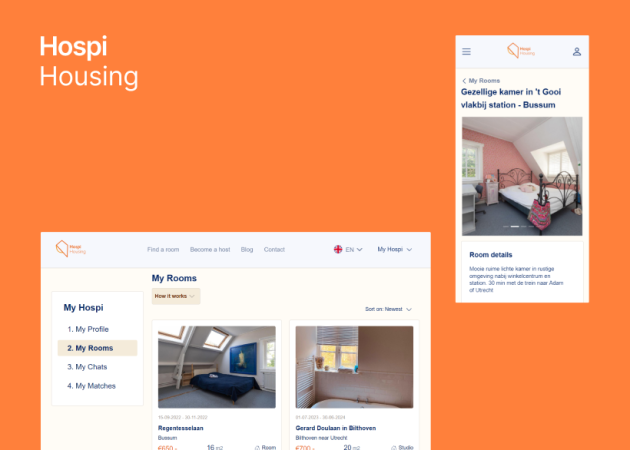
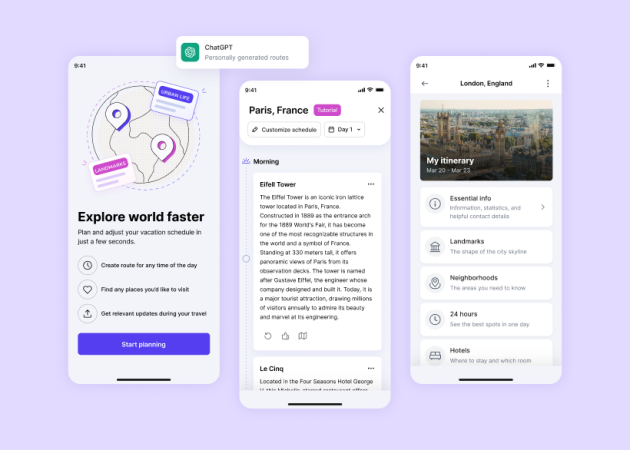
See how Beetroot has helped teams automate workflows, consolidate internal tools, validate new ideas, and combine product development with custom engineering.

Tell us about your project and we’ll help you map the next steps:
Have questions or want to explore your LCNC options? Fill out the form to share your goals, and we’ll get back to you with practical ideas for your project. The Beetroot team is here to support you through every step of your low-code or no-code journey.

FAQs
Before committing to an LCNC approach, teams usually want clarity on scalability, ownership, integrations, and what ongoing maintenance involves.