Computer Vision in Robotics: Custom Systems for Real-World Automation
Build and deploy computer vision systems for robotics use cases, from object detection to automated quality inspection. Partner with Beetroot to design and integrate vision software that supports your automation goals — tailored to your existing robotics setup, data, and operating environment.
-

Top 1% of global
Software Service providers -

ISO 27001 certification
by Bureau Veritas
-

GDPR-Compliant processes
for responsible data protection -

AWS trusted infrastructure
for scalable solutions -

Bureau Veritas —
an independent global leader in testing, inspection, and certification.
Where Robotic Vision Helps Remove Operational Bottlenecks
Robotics systems lose effectiveness when objects vary too much for fixed automation to handle, or when quality still depends on manual inspection. Computer vision helps teams address these gaps by giving robots more useful visual context for perception, navigation, and inspection.
-

Inconsistent Object Recognition
Changes in shape, position, lighting, or background can make fixed automation rules unreliable. Object detection and image recognition help robots locate and distinguish items across a wider range of operating conditions.
-
Slow or Inconsistent Quality Checks
Manual inspection can become a bottleneck as production volumes grow, while small defects may be difficult to spot consistently. Automated inspection helps flag relevant issues earlier and gives quality teams more structured data for review.
-
Limited Spatial Awareness
Pick-and-place and robotic navigation become harder when objects move or the workspace changes. Vision-guided robotics can support position estimation, obstacle detection, and more adaptable handling within suitable environments.
-
Vision Tools That Don’t Fit the Existing Setup
Off-the-shelf systems may not match the robot stack, production software, or data available on site. A custom approach can connect visual outputs with the wider automation workflow without requiring the vision layer to operate as a separate system.
Computer Vision Services for Robotics
Move from a defined robotics use case to vision software that fits your existing stack, site conditions, and data. Depending on the scope, Beetroot can bring together specialists to develop models, connect them with your systems, and support deployment or later improvements.
-

A custom application of computer vision in robotics starts with the task, available data, and operating environment. Our specialists can develop models for image recognition, classification, or tracking and connect them with the wider automation workflow.
-
Model Training and Optimization
Train and refine models for the conditions they will face in operation, including changing light, camera angles, and object variation. Our teams use tools such as PyTorch and OpenCV, then test model quality, latency, and false-alarm rates against agreed criteria.
-
3D Vision and Sensor Integration
Different vision sensors in robotics can provide complementary information about depth, movement, and the surrounding space. We can support the software and data pipelines behind sensor fusion, obstacle detection, and SLAM, working with your robotics and hardware specialists where needed.
-
Vision-Guided Navigation Systems
Develop the vision and processing layer that supports localization, route planning, and obstacle awareness for autonomous robots. We shape real-time processing pipelines around the intended environment, from AGVs in logistics to mobile inspection units.
-
Automated Inspection Solutions
A robotics machine vision setup can combine semantic segmentation and anomaly detection to flag defects or production irregularities for review. We also help connect these outputs with dashboards or quality workflows so teams can track recurring issues and investigate them earlier.
-
Integration and Deployment
Bring computer vision for robotics into your existing infrastructure through APIs, edge deployment, and available robot interfaces. Where hardware compatibility is involved, our engineers work alongside your robotics specialists to test the integration and plan a controlled rollout.
-
Maintenance and Continuous Improvement
Machine vision for robotics often needs periodic review as operating conditions and data change. When post-launch support is included, Beetroot can monitor agreed performance signals, retrain models, and coordinate updates around your operational needs.
-
Custom Tech Workshops
Build shared understanding around computer vision, data, and robotics integration before or during implementation. Custom sessions are shaped around your team’s tools and open questions, with practical examples selected for the audience.
-
Need help defining an optimal vision setup for your robotics project?
Flexible Cooperation Models for Robotics Vision Projects
Robotics teams engage us in different ways. Some need extra engineering capacity for ongoing work; others bring us in for a defined project or use a workshop to strengthen internal skills. The right fit depends on your project stage and how much of the work you want to keep in-house.
-
Dedicated Development Teams
Direct communication and controlBuild long-term capacity with engineers matched to your computer vision in robotics projects and existing ways of working. Beetroot handles recruitment, retention, and team support while you stay close to priorities and day-to-day delivery.
-
Project-Based Engagements
End-to-end supportUse a milestone-based setup to prototype or improve a machine vision system in robotics, run a pilot, or complete a defined integration. We assemble the specialists needed for the agreed scope and manage the work through delivery and handover, while you retain visibility into progress and key decisions.
-
Tailored Tech Training
Hands-on team upskillingOpt for a workshop when your team needs to build shared understanding around a robotics vision use case, close knowledge gaps, or prepare for future implementation. We shape the format around your goals, current skill level, and the tools or challenges most relevant to your work.
Let's find the right way to work together:
Example Tools & Technologies We Use
The right stack depends on your existing robotics setup, deployment environment, and the demands of the use case. Example tools may include:
-
Frameworks
- TensorFlow
- PyTorch
- OpenCV
-
Model Optimization
- ONNX
- TensorRT
-
Deployment & Integration
- Docker
- AWS
- Kubernetes
-
Robotics Middleware
- ROS / ROS2
-
Data Annotation & Management
- Labelbox
- CVAT
- MLflow
-
Edge and On-Device Deployment
- NVIDIA Jetson
Meet Your Computer Vision Robotics Team
From model behavior to on-device deployment and system interfaces, robotics vision projects often span multiple disciplines. Beetroot can shape the team around the work, bringing in the right computer vision, ML, integration, and QA expertise as the project develops.





How We Build Custom Vision Systems for Robotics
A dependable robotics vision system starts with a clear use case and data that reflects the real operating environment. The stages below show a typical path from initial assessment to deployment, adapted to your existing setup and how the system will be used.
-
Problem Definition
Step 1We clarify what the robot needs to detect or interpret and how the output will feed into the wider workflow. Together, we set practical success criteria based on the task — for example, cycle time, inspection coverage, or acceptable false-alarm rates.
-
Data Collection
Step 2Data comes next: we gather examples that reflect the lighting, camera setup, and movement the system will encounter in operation, and deliberately include failure and edge cases. Broader coverage helps the model perform more consistently across the operating environment.
-
Data Preparation
Step 3We standardize and augment the visual data to account for glare, occlusion, and background variation. More consistent inputs help prepare the model for the conditions it will face in production.
-
Model Selection
Step 4The right architecture depends on the task — anything from a standard CNN to a more specialized model — balanced against the compute available on your hardware.
-
Model Training
Step 5Training uses the curated dataset, with hyperparameter tuning to improve recognition and reduce false positives. It’s iterative: we adjust and retrain the model to make it more robust to real-world variation.
-
Evaluation
Step 6We evaluate the model using task-relevant metrics such as precision, recall, and F1-score, checking the results against the agreed criteria. Evaluation also surfaces blind spots or uneven performance before deployment.
-
Deployment and Integration
Step 7Once validated, the model is integrated into your workflow and tested for real-time or batch processing. We work with your robotics and hardware teams to fit it into the systems already in place.
-
Monitoring and Improvement
Step 8After go-live, agreed performance signals and failure cases can be tracked. When ongoing support is part of the scope, we help plan updates or retraining as operating conditions and data change.
Why Choose Beetroot for Computer Vision in Robotics?
Beetroot pairs practical engineering with a people-first, sustainability-minded way of working. We help you get value from visual data while building systems your team can maintain and trust over time.
-
Cross-functional engineering depth
Computer vision is only one part of the system. Depending on the scope, Beetroot can combine ML expertise with the data, integration, MLOps, and QA support needed to move the work forward.
-
Technology-agnostic approach
We choose tools around the use case and the infrastructure already in place rather than forcing a preferred platform. That leaves room to balance model quality against the project’s compute and deployment constraints.
-
Practical, reviewable progress
The work moves through testable stages, so your team can review results before committing to a broader rollout. Technical decisions and open risks remain visible as the project develops.
-
Maintainability after launch
Versioned data, clear documentation, and a considered handover make the system easier to operate and improve. When ongoing support is included, the same foundation also makes later updates more manageable.
-
Flexible access to expertise
Start with a focused project or bring in longer-term capacity as the work grows. Beetroot can adjust the team around the stage of the project without locking you into one setup from the outset.
-
3D commitment to AI
Our 3D approach considers whether AI work is better for the world, your business, and people. It gives us a practical way to weigh business value against the wider effects of the systems we help build.
What Our Clients Say
Many of our engagements stay confidential, so not every collaboration can be shared publicly. The testimonials below span different types of work and give you a practical sense of what it’s like to work with Beetroot.

Featured Cases
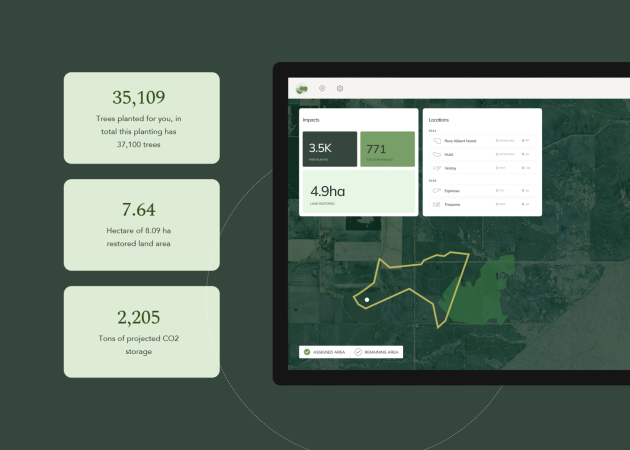
The cases below show how Beetroot combines AI, data, and product engineering across healthcare, research, environmental restoration, and industrial operations.


Custom Tech Workshops for Robotics Teams
Build shared technical understanding around the robotics vision questions your team is working through. Each expert-led workshop is shaped around your current tools, knowledge gaps, and project goals, with practical exercises where they add value. Key benefits include:
-
Relevant to Your Stack
Content starts from the systems and constraints your team already works with rather than following a fixed curriculum.
-
Learning Through Practical Scenarios
Sessions can use examples from object detection, quality inspection, or navigation to connect technical concepts with day-to-day engineering decisions.
-
Knowledge That Stays with the Team
Workshops give participants a clearer basis for evaluating options, troubleshooting issues, and contributing to later implementation.
Let's talk about your robotics vision project:
Tell us what you’re trying to automate, where the project stands, and your existing systems. Our team will get back to you to discuss feasibility, the optimal cooperation model, and next steps.
FAQs
Answers to common questions about computer vision in robotics.