AI Ethics Consulting for Confident Deployment
- Privacy-by-Design
- Human-Centered
- Responsible Delivery
Build AI systems that are accountable, transparent, and designed to align with your values and business needs. Through our ethical AI consulting services, Beetroot helps you plan for regulatory requirements, manage risk, and strengthen user trust from the start.
-

Top 1% of global
Software Service providers -

ISO 27001 certification
by Bureau Veritas
-

GDPR-Compliant processes
for responsible data protection -

AWS trusted infrastructure
for scalable solutions -

Bureau Veritas —
an independent global leader in testing, inspection, and certification.
Why Responsible AI Matters for Your Business
Responsible AI is about more than technology. It calls for a clear view of your project’s risks, governance needs, and wider social impact — and tech leaders face growing pressure to keep pace with evolving responsible AI governance requirements. Adopted early and built into your process, responsible AI reduces those risks and turns them into opportunities for trust, efficiency, and sustainable growth. It helps you
-
Thinking about where responsible AI fits your roadmap?
-
Support more defensible decisions
Responsible AI solutions build fairness and accountability into how models reach conclusions. That means decisions you can explain and stand behind, without amplifying existing biases.
-
Reduce systemic risk
Rushed deployments can lead to errors and algorithmic bias. Structured processes, such as AI bias audits and continuous risk assessment, help spot issues early and implement targeted remediation.
-
Strengthen privacy and trust
Responsible data stewardship protects sensitive inputs. Practices like encryption, privacy-by-design, and clear data-retention policies reduce exposure, align with data privacy and GDPR expectations, and support compliance with regional AI regulations.
-
Integrate ethics into innovation
Designing AI systems with human values at the core keeps people central to how the system behaves. Considering data ethics early helps teams account for social impact, user trust, and corporate responsibility alongside technical and business goals.
-
Maintain human oversight
High-impact AI decisions need clear oversight, even when the underlying models are complex. Human-in-the-loop reviews make it possible for domain experts to examine outputs and intervene when necessary.
-
Prepare for evolving requirements
The EU AI Act groups systems into unacceptable, high, limited, and minimal risk. Early classification and gap assessment can help teams plan relevant controls, documentation, and review processes.
Responsible AI Services for Practical Governance
AI systems bring new ethical and regulatory challenges, from data governance to fair decision-making. Beetroot helps you address them without slowing innovation — mapping risks, designing controls, and putting a responsible AI framework in place around your use case, whether you need advisory guidance or hands-on delivery.
-
Governance & Strategy Assessments
We run in-depth evaluations to map your current practices and identify gaps across privacy, security, and model lifecycle policies, with reference to standards such as the NIST AI Risk Management Framework. The outcome is a prioritized plan that can inform your wider AI strategy consulting, investment decisions, and compliance preparation.
-
AI Compliance Consulting
Regulatory requirements evolve quickly, from GDPR and the EU AI Act to sector-specific rules. We help map relevant requirements with your legal, security, and compliance teams and turn agreed priorities into practical steps. More technical security work can also connect with our IT security consulting services.
-
Policy & Control Design
Clear policies help keep AI initiatives accountable over time. We work with your stakeholders to define principles, roles, escalation paths, and documentation templates. The result is an AI governance framework grounded in recognized data ethics and risk management practices and adapted to your workflows.
-
Bias & Robustness Evaluations
Even well-built models can behave unfairly or fail under pressure. We use fairness testing, demographic performance checks, and stress simulations to uncover risks early. Findings inform prioritized fixes, additional testing, and monitoring plans aimed at improving reliability and reducing unfair outcomes.
-
Explainability & Transparency
Trust grows with understandable decisions. We use feature-importance analysis, local explanations, and interactive dashboards to make model behavior easier to examine. We can also help teams communicate system limitations and connect the work with deeper explainable AI services where needed.
-
Risk Monitoring & Assurance
Risks don’t end at launch. Where ongoing support is part of the engagement, we can help set up drift and performance monitoring, privacy checks, and periodic reviews against evolving regulations. With audit-ready reporting for internal and external audiences, your teams get clearer visibility into how systems behave over time.
Ready to scope your initiative?
Flexible Cooperation Models
Our cooperation models are designed to fit your priorities, whether you need a dedicated team extension, a defined project delivery, or targeted team training. Each option balances knowledge sharing with the flexibility to scale up or down as your needs evolve.
-
Dedicated AI Development Teams
Built for long-term roadmapsSet up a team of dedicated AI experts, data scientists, and ethical AI consultants or extend your existing in-house capacity to support your long-term roadmaps. We handle recruitment, infrastructure, and team retention, while your team directs the day-to-day work.
-
Project-Based AI Solutions
Scoped, milestone-based deliveryBest suited for clear, well-scoped work, such as feature, pilot, or MVP delivery. We plan and deliver the solution end-to-end, keeping progress transparent with milestone demos. Scale team size and expertise as needed for your roadmap.
-
Custom Team Training
Practical upskillingBuild your team’s capability with custom, expert-led sessions shaped around your stack and goals — from fairness testing and privacy to explainability and oversight. Explore all available workshops.
Not sure which model fits? Let's find the right setup for your team
Compliance‑Only vs. Proactive Ethical AI
Meeting applicable compliance requirements is the baseline for any AI initiative. But compliance on its own rarely builds lasting user trust or keeps pace with new risks as they emerge. A proactive responsible AI framework brings ethics and accountability into the lifecycle from design through deployment, helping teams identify issues earlier and giving users and stakeholders more reason for confidence. Here’s what you need to consider:
-
Compliance‑only approach
- Focuses on meeting applicable obligations under regulations such as the EU AI Act and GDPR, which may include documentation, transparency, human oversight, data protection, and governance duties.
- Anchored to current legal requirements, which provide a clear and defensible baseline but may not cover new risks or edge cases as they emerge.
- Uses audits and assessments to evaluate and document conformity — strong for demonstrating accountability and most effective when paired with ongoing review.
-
Proactive ethical AI
- Builds on regulatory compliance and extends it with principles such as fairness, reliability, and privacy across the development lifecycle, from design to decommissioning.
- Uses iterative risk assessment and monitoring to identify issues early, supported by human oversight.
- Addresses risks not fully covered by current regulation, including emerging harms, domain-specific edge cases, and wider user-trust concerns.
Meet Your Team
Depending on your needs, Beetroot can bring together specialists in fairness evaluation, privacy engineering, model monitoring, MLOps, and relevant domain areas. We shortlist profiles around your use case, technical context, and preferred cooperation model. CVs can be shared after we clarify the role and scope.








Our Ethical AI Implementation Process
Responsible AI solutions benefit from a structured process, but the exact path depends on the use case, risk profile, and project scope. We adapt the work to your business context, regulatory landscape, and technology stack, from early assessment through implementation and post-launch support where needed.
-
Discovery & Context Analysis
Step 1We start by understanding your goals, data systems, user groups, and limitations. This may include mapping multimodal data flows, defining scope, identifying success measures, and analysing existing plans. Stakeholder input shapes a high-level project charter that clarifies priorities, ownership, and practical constraints.
-
Ethical Risk & Gap Assessment
Step 2Our team evaluates potential issues, including bias, privacy, security, and environmental impact. Reference points include the voluntary NIST AI RMF and the EU AI Act’s risk-based approach, helping assess whether the use case may involve prohibited practices, high-risk requirements, transparency obligations, or minimal-risk uses.
-
Policy & Control Development
Step 3We co‑create an ethical charter, governance policies, and technical controls based on our findings. These may cover data anonymization, bias mitigation, model documentation, and human oversight procedures. Our approach reflects our commitment to AI governance and risk management, not only compliance.
-
Design & Architecture
Step 4We design the architecture around the project’s data flows, model lifecycle, integrations, and oversight needs. Modular components and clear interfaces make updates and cross-team collaboration easier to manage
-
Implementation & Testing
Step 5Our engineers build and test the agreed models and components, including relevant checks for performance, privacy leakage, bias, security, and accessibility. Where appropriate, automated evaluations can be added to the CI pipeline.
-
Monitoring & Human Oversight
Step 6Where production monitoring is included, dashboards and alerts can help teams track drift, bias, and anomalies. Domain experts can review outputs and intervene when necessary, supporting transparency and AI safety.
-
Iterative Improvement
Step 7Where ongoing support is part of the engagement, periodic reviews can incorporate incidents, user feedback, and regulatory or policy changes. This helps keep the system and governance practices aligned as conditions evolve.
Industries We Support with Responsible AI Governance
AI adoption crosses industries, and so do the ethical considerations that come with it. Beetroot teams bring experience from several domains and can help account for sector-specific workflows, risks, and regulatory expectations.
-
HealthTech
From clinical diagnostics to digital therapeutics, responsible AI in HealthTech requires attention to privacy, accessibility, and human oversight. One example is when our cross-functional team built an assistive app that converts speech to text and text to speech for people with hearing and speech differences, showing how inclusive design can shape AI-enabled products.
-
GreenTech
GreenTech systems may use sensor, operational, and geospatial data for forecasting, monitoring, and reporting. We help teams consider data quality, model efficiency, and environmental impact when planning AI-enabled products in green tech.
-
FinTech
Fairness, documentation, and clear decision trails are especially important for AI use cases such as fraud detection and risk scoring. We can help teams assess risks and design controls that support internal review, auditability, and human oversight.
-
EdTech
Adaptive learning tools need to account for different student backgrounds, accessibility needs, and privacy requirements. We can help teams assess personalization and recommendation logic for bias and make AI-supported decisions easier to review.
-
E-Commerce & Retail
Personalization engines and chatbots often rely on sensitive behavioral and purchase data. We help teams consider consent, privacy, and fairness when designing these systems, while keeping customer experience goals in view.
-
Public Sector
AI used for service allocation, infrastructure planning, or citizen services faces heightened scrutiny. We can support organizations in building inclusion, transparency, and accountability into requirements and review processes to reduce the risk of reinforcing existing inequities.
Shape a responsible AI approach around your industry and use case
Why Partner With Beetroot
Beetroot combines a people-first culture with practical AI, data, and software engineering experience. We shape the setup around your needs, helping you address ethical challenges while keeping priorities, risks, and decisions visible throughout the work.
-
Integrated Support Across the Lifecycle
We can support your initiative through strategy, development, team extension, and practical training. The mix is adapted to your current needs, whether you require focused guidance or support across a broader part of the AI lifecycle.
-
Technology-Agnostic Approach
We recommend tools and platforms based on your context rather than tying you to a proprietary responsible AI platform. This approach reduces lock-in and keeps more options open as technology and regulatory expectations evolve.
-
Cross-Domain Experience
Beetroot teams have worked on software, data, and AI projects across health, energy, finance, education, the public sector, and other domains. That broader experience helps us recognize recurring risks while adapting the approach to each industry’s context.
-
People-First Culture and Sustainability
Team well-being, inclusion, and care for the environment shape how we work. Where appropriate, we favor efficient models and right-sized infrastructure, while considering how AI systems affect both the people who use them and the wider environment.
-
Transparent Collaboration
Communication, feedback, and ownership are values we prioritize in our partnerships. We provide ongoing visibility into progress, challenges, and decisions, and encourage co‑design, so your team stays in control of key choices.
-
Flexible Engagement
You can scale the team, adjust the support level as priorities change, or conclude one phase before deciding on the next. Clear documentation and knowledge transfer help preserve context when the team setup evolves.
Client Testimonials
See what clients say about working with Beetroot and what they value in the collaboration.

Featured Cases
These projects reflect Beetroot’s experience with data-intensive AI products, cross-functional teams, and transparent delivery across different domains.

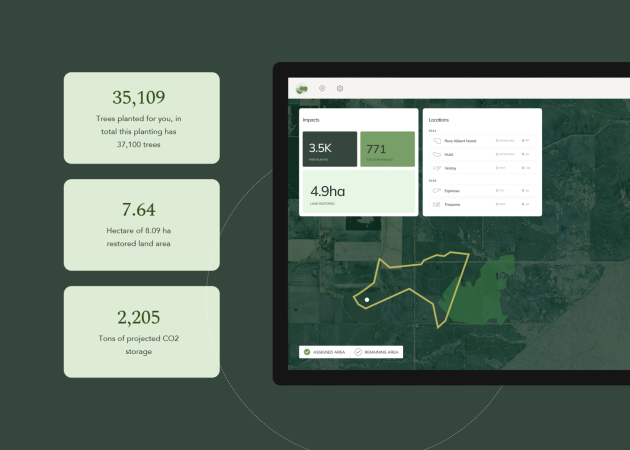
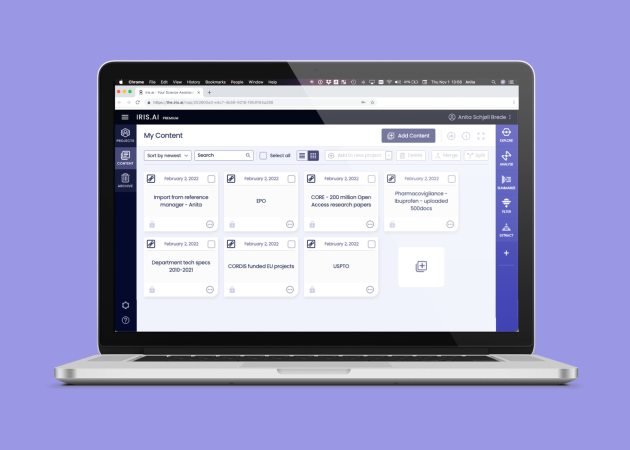
Custom Ethical AI Workshops
Build your team’s practical understanding of ethical AI through workshops shaped around your goals, knowledge gaps, and current projects. Collaborative exercises connect governance principles with the decisions your team faces in day-to-day development.
-
Accelerate expertise
Explore fairness testing, bias mitigation, and AI safety through scenarios drawn from your projects. The exercises help participants connect these concepts with practical technical and product decisions.
-
Align governance and delivery
Explore how policies, documentation, and controls fit into everyday development. Your team can practise writing model cards, conducting an AI bias audit, and designing practical risk management workflows.
-
Implement oversight and monitoring
Work through practical approaches to monitoring performance, drift, and agreed risk indicators. The workshop can also cover review cycles and the role of subject-matter experts in human oversight and ongoing improvement.
Discuss Your Ethical AI Goals
Tell us about your goals, current systems, and key concerns. Our team will get in touch to discuss the right next step, whether you need strategic guidance, specialist support, or a scoped implementation plan.

FAQs
Take advantage of our unique ecosystem — from engineering to training — and tackle challenges in AI custom software development with one trusted partner.