Data Lake Consulting Services
Build a data lake around the workloads your business needs — with the architecture, governance, and engineering foundations that keep your data usable as it grows. Our team helps you determine whether a data lake fits your environment, then designs and implements it.
-

Top 1% of global
Software Service providers -
ISO 27001 certification
by Bureau Veritas
-

GDPR-Compliant processes
for responsible data protection -

AWS trusted infrastructure
for scalable solutions -
Bureau Veritas —
an independent global leader in testing, inspection, and certification.
When Does Your Business Need Data Lake Solutions?
Fragmented sources, growing volumes, and ungoverned storage can make data harder to find, trust, and reuse. When that happens, a data lake architecture, or a better-governed version of the one you already have, may be worth considering.
-
Data stays fragmented across systems and teams
Databases, files, cloud services, and applications each hold part of the picture. Bringing that data together for reusable access can be difficult, especially when teams work with different sources and definitions.
-
Volumes and formats are outgrowing the current setup
Structured tables, event streams, logs, images, and IoT feeds don’t fit neatly into storage built around one type of data. Handling unstructured data alongside other formats can call for more flexible storage and processing patterns as the mix grows.
-
AI and ML teams can't reliably reach historical data
The data exists, but it can be difficult to discover, combine, and prepare consistently. Experimentation slows down when teams repeatedly need to locate and prepare the same historical datasets for different workloads.
-
Point-to-point pipelines pile up duplication and upkeep
Fragmented data ingestion logic and repeated copies of the same data can multiply as the ecosystem grows. Each new integration adds another dependency to maintain and another path for data to travel.
-
An existing lake is drifting toward a "data swamp"
Missing metadata, unclear ownership, limited cataloging, and weak access controls can make stored data difficult to find and trust. The result is a growing collection of data that teams struggle to understand or use confidently.
-
Storage and processing get harder to control at scale
Lifecycle management, workload separation, observability, and cost visibility become more important as volumes and use cases grow. Without the right operational foundations, managing performance, resources, and data costs becomes increasingly difficult.
Facing similar infrastructure bottlenecks? Let's look at your current data flow and map out a practical path forward
Data Lake Consulting Services Across the Data Lifecycle
A useful data lake depends on more than the storage underneath. It also needs the engineering, data architecture, governance, and operational foundations that make data usable as the environment grows, and we combine them through end-to-end data engineering services shaped to your environment.
-

Data Lake Assessment & Strategy
You get a clear read on whether a data lake fits your landscape, which use cases should drive it, and how it lines up with your downstream workloads. Our specialists assess your current data landscape and pin the decision to real priorities rather than assumptions.
-
Data Lake Architecture & Design
You get an architecture mapped to your data flows and workloads, with storage zones, processing patterns, workload separation, and integration boundaries defined around your environment. We design it for your cloud or hybrid setup and the requirements your workloads place on the platform.
-
Cloud Data Lake Implementation
You move from blueprint to a working environment built on cloud technologies suited to your ecosystem. Our engineers implement the storage, compute, processing, networking, and supporting infrastructure the lake needs to operate.
-
Data Ingestion & Pipeline Integration
Batch, streaming, structured, semi-structured, and unstructured data can be brought into the environment according to downstream requirements. We integrate the relevant sources through targeted data pipeline development services while keeping the implementation focused on the wider data lake architecture.
-
Data Lake Migration & Consolidation
Suitable datasets move from legacy environments and fragmented repositories into the target data environment. We manage mapping, validation, sequencing, and transition planning as part of dedicated data migration services.
-
Governance, Cataloging & Metadata
Clear cataloging, ownership, classification, lineage, and lifecycle policies let people see what data exists and how it can be used. Our governance work builds this discoverability into the foundation instead of bolting it on later.
-
Data Quality, Security & Access Controls
Validation rules, monitoring, encryption, permissions, and role-based access help protect sensitive data and support your security and compliance requirements. We design these mechanisms around your environment and governance needs.
-
Performance, Cost & Operational Optimization
Keep storage and processing aligned with real usage as data volumes and workloads grow. We can tune storage tiers, partitioning, file organization, and workload patterns, while adding observability to identify performance and operational issues over time.
-
Want to map these workstreams to your own environment?
Data Lake vs. Data Warehouse vs. Lakehouse: Which Fits Your Needs?
The right architecture depends on your data formats, analytical needs, governance requirements, performance expectations, existing technology, and future AI and ML workloads. These patterns aren’t mutually exclusive, and many organizations combine them, keeping raw data in object storage while exposing curated datasets through a warehouse or lakehouse layer.
A data lake stores large volumes of structured, semi-structured, and unstructured data in flexible object storage. Depending on how it’s implemented, processing and schema are often applied when the data is read for a specific use, so the same raw data can serve many purposes.
Best for: data science, ML, and workloads that need raw or varied data at scale.
A data warehouse keeps curated, structured data organized for analysis, and data warehousing is often the right home for consistent BI, reporting, governed metrics, and predictable querying.
Best for: stable reporting, dashboards, and governed metrics that teams query day to day.
A data lakehouse pairs the flexibility of object storage with stronger data management, governance, and table-management and analytical capabilities usually associated with warehouses. It brings warehouse-style analytical behavior closer to lake-style storage.
Best for: teams that want flexible storage and stronger governance in one environment.
Our Data Lake Consulting & Implementation Roadmap
We start with your business goals and the shape of your data, then work through architecture, validation, and build before handing over an environment your team can run. Every project follows a similar arc, but timelines depend on your existing setup, data volumes, and the workloads you’re building toward — so we scope each engagement to your reality.
-
Discovery & Data Landscape Review
Step 1We look at your sources, systems, and workloads to understand what you’re working with and what your downstream analytics and AI needs actually demand.
-
Fit & Architecture Direction
Step 2We confirm whether a lake is the right call, then shape the storage layers, processing patterns, and platform direction that suit your data and governance needs.
-
Blueprint & Migration Planning
Step 3We turn the direction into a concrete design and map how suitable data will move into the environment, in what order, and with what checks along the way.
-
Proof of Concept (where it helps)
Step 4When key assumptions carry real risk, we validate them on a small scale first, so you’re not committing to a full build on untested ground.
-
Build, Ingestion & Governance Setup
Step 5We stand up the infrastructure, bring your sources in, and put metadata, cataloging, quality rules, and access controls in place as part of the foundation.
-
Validation, Observability & Handover
Step 6We test the environment, add monitoring, and document what we built so your internal team can operate and evolve it with confidence.
Flexible Cooperation Models
We offer a few ways to work together, so you can match the engagement to your team’s capacity and the scale of the initiative.
-
Dedicated Development Teams
A team that works alongside your in-house specialists over the long term. Best for ongoing development, migration, optimization, or evolving the platform alongside your internal data team.
-
Project-Based Solutions
A defined initiative where we own the agreed delivery scope end to end. Best for a scoped data lake assessment, architecture, implementation, migration, or improvement effort.
-
Custom Tech Workshops for Teams
Practical, tailored sessions built around your actual workflows and challenges. Focused on the skills your environment calls for, with practical outcomes and insights your team can apply in day-to-day work.
Not sure which model fits your scope?
Meet Your Data Lake Team
Data lake initiatives usually call for a combination of architecture, engineering, cloud, quality, and governance expertise working together.



Platforms & Technologies We Work With
We choose technologies around your product, existing systems, and requirements. The categories below group them by the role each plays in a working data lake — from storage and processing to governance and security.
-
Data storage & databases
- Amazon S3
- Azure Data Lake Storage (ADLS)
- Google Cloud Storage
- PostgreSQL
- MySQL
- MongoDB
-
Cloud platforms
- AWS
- Microsoft Azure
- Google Cloud
-
Processing, analytics & pipeline orchestration
- Apache Kafka
- Airflow
- Databricks
- Apache Spark
- Snowflake
-
Governance, catalog & security
- Data catalog tooling
- Access controls
- HashiCorp Vault
- cloud IAM
Industries We Support
Flexible, large-scale data foundations can be especially useful where data is diverse, high-volume, or subject to strict governance requirements.
-
HealthTech & Life Sciences
Clinical, research, and operational data can arrive in many formats and come with strict security and regulatory requirements. A governed foundation helps these organizations store and reuse diverse datasets while keeping access controlled and auditable.
-
FinTech & Insurance
High volumes of transactional and event data feed analytics, risk work, and reporting. Flexible storage with strong governance supports both scale and the controls these sectors depend on.
-
GreenTech & Energy
Sensor readings, IoT feeds, and long-run environmental data can grow quickly and vary in structure. A flexible data foundation can help teams retain, process, and analyze these datasets over time.
-
SaaS & Data-Intensive Digital Products
Product, usage, and behavioral data grow fast and feed analytics and ML. A scalable foundation keeps that data usable as both volume and use cases expand.
Wondering how a data foundation fits your sector?
Why Choose Beetroot for Data Lake Consulting?
A data lake only earns its place when the architecture decisions and the engineering that follows them line up. We shape our data lake solutions around your workloads and existing systems, then build and operationalize them with you.
-
Architecture Plus Implementation Capability
We don’t stop at recommendations. Beetroot moves from architecture and platform decisions into hands-on data engineering, turning the plan into a working environment.
-
End-to-end Data Engineering Expertise
Depending on what your project calls for, you can draw on architecture, pipeline, migration, integration, quality, cloud, analytics, and AI expertise. We put together the mix your project actually needs, drawing on capabilities like big data services, rather than treating every engagement the same way.
-
Vendor-Neutral Platform Decisions
Technology choices follow your workloads, existing systems, governance requirements, and priorities. That means the platforms and tools we recommend are the ones that genuinely suit your environment, whether that’s an AWS data lake setup backed by our AWS consulting services, Azure data lake storage, Databricks, Snowflake, or a combination of tools.
-
Governance Built Into the Architecture
Metadata, ownership, quality, controlled access, lifecycle management, and discoverability are considered from the start, helping teams manage and use the environment as it grows.
-
Flexible Cooperation Models
Choose dedicated teams, project-based delivery, or expert-led workshops based on your scope, timeline, and internal capacity. The model can shift as your data environment matures and your needs change.
-
Knowledge Transfer and Client Ownership
Documentation, transparent collaboration, and shared practices help your internal team understand, operate, and evolve the data environment after implementation.
What Our Clients Say
Businesses partner with Beetroot across custom software, cloud, architecture, and long-term engineering work. Here’s what they have to say about working with us.

Featured Cases
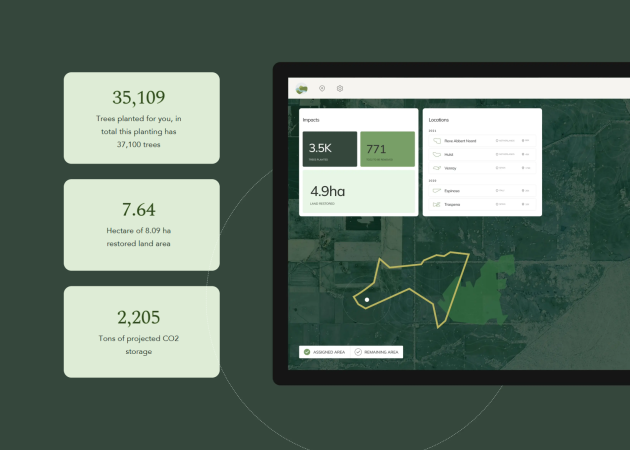
Explore projects involving scalable data processing, diverse data sources, data pipelines, cloud infrastructure, and governed access to data.
Let's Talk About Your Data Environment
Have a specific data challenge, workload, or architecture decision in mind? Discuss what your environment actually needs and what it would take to build a lake around it with our team.

FAQs
A few common questions about data lakes, how they compare to other architectures, and what a consulting engagement involves.